
Crooked teeth. My artifacts of tomorrow. Bit into the wall. Laughing at it. Waiting. To obliterate the paint, the white, the cast, the bricks within. Maybe tomorrow. Maybe the day after. There is an intimacy in destruction. To undo something so completely, you must first understand it, inch by inch. And then, you tear it apart.
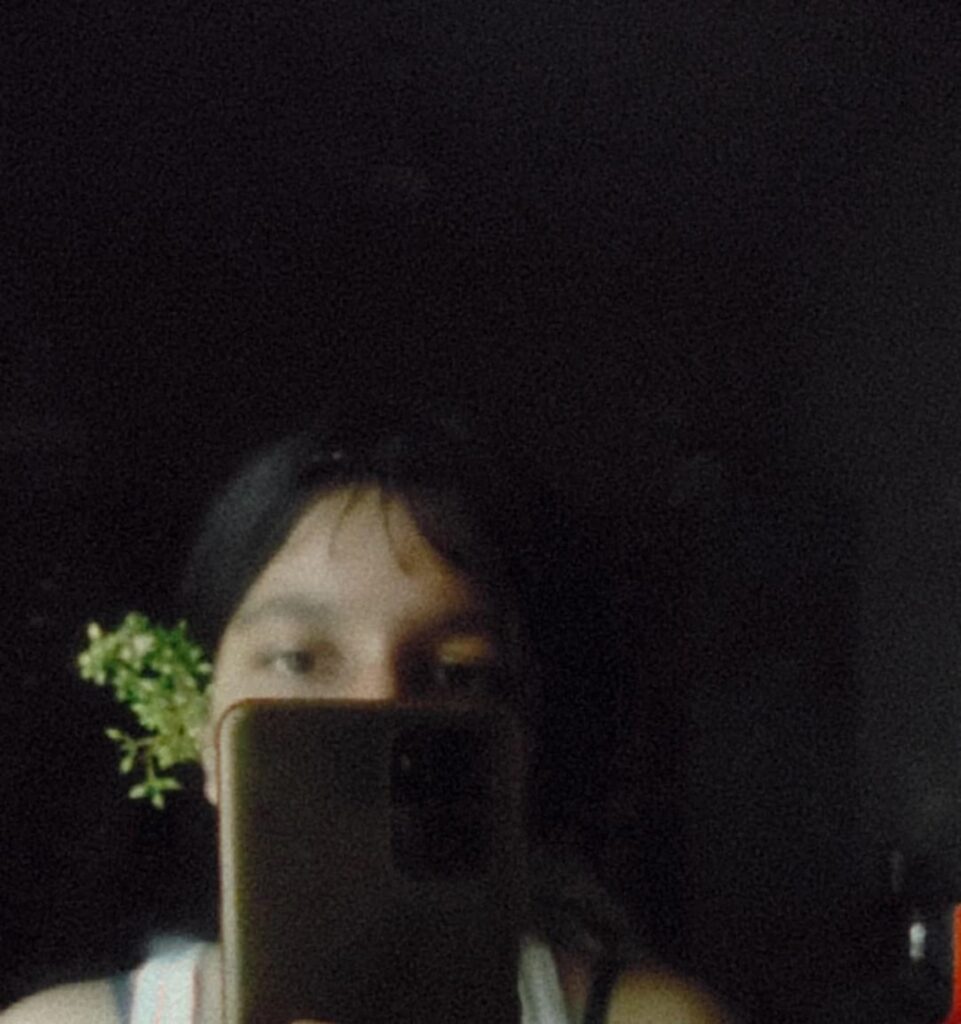
I have flowers growing from one ear–delicate, stubborn things that bloom without permission. In the other, a Bluetooth earpiece buzzes faintly with unanswered calls. I can’t hear them anymore, the voices on the other end. Their urgency dissolves somewhere between the petals and the static. My hair, too, has taken sides. It falls like a curtain, shielding me from the world. Especially the fine strands on my forehead, they hover just close enough to blur my vision, as if trying to take control, to decide what I should and shouldn’t see. I live in the blur. I become it. It’s an ache. A soft murmur at the edge of thought, always slightly ahead, half-lit.
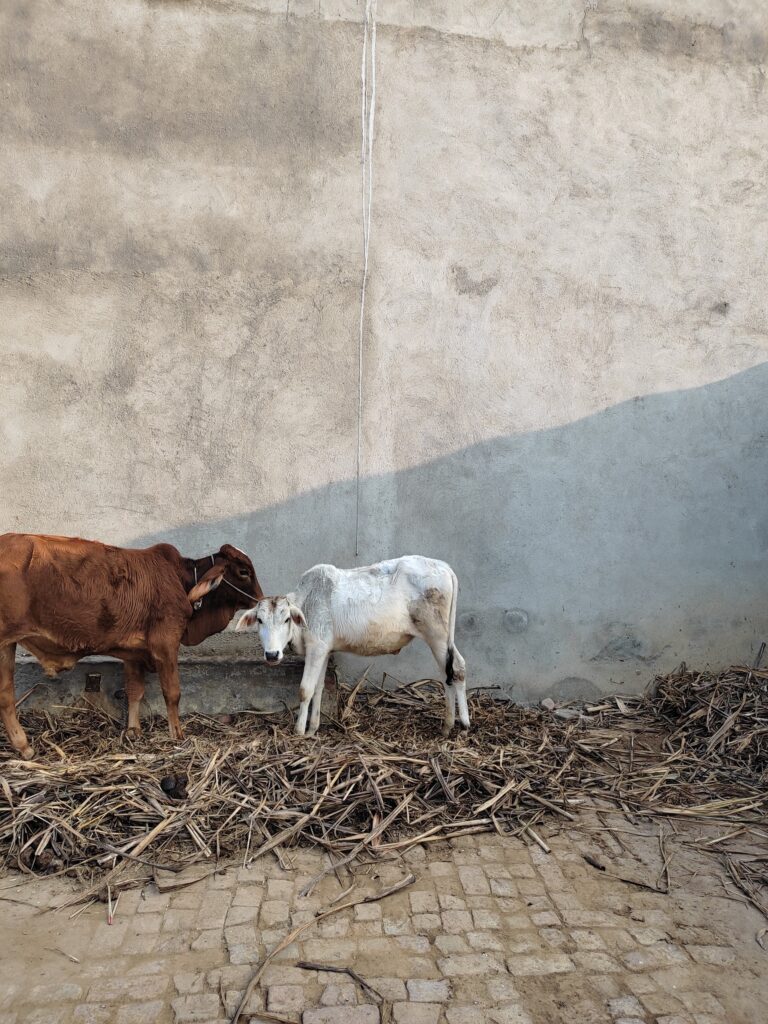
They are lovers, basking in the warmth of the winter sun. For now, everything feels still and kind. Pushpa leans in to press soft, reassuring kisses onto Ramkali’s skin, small gestures that say, It’s not going to end. Not yet. They believe, if only for a moment, that they’ll always have this: a patch of sunlight, a little water to drink, some hay to chew on, and a bed made from old, worn straw. Around them, the world may be fraying, but here, in this sliver of afternoon light, they are held.

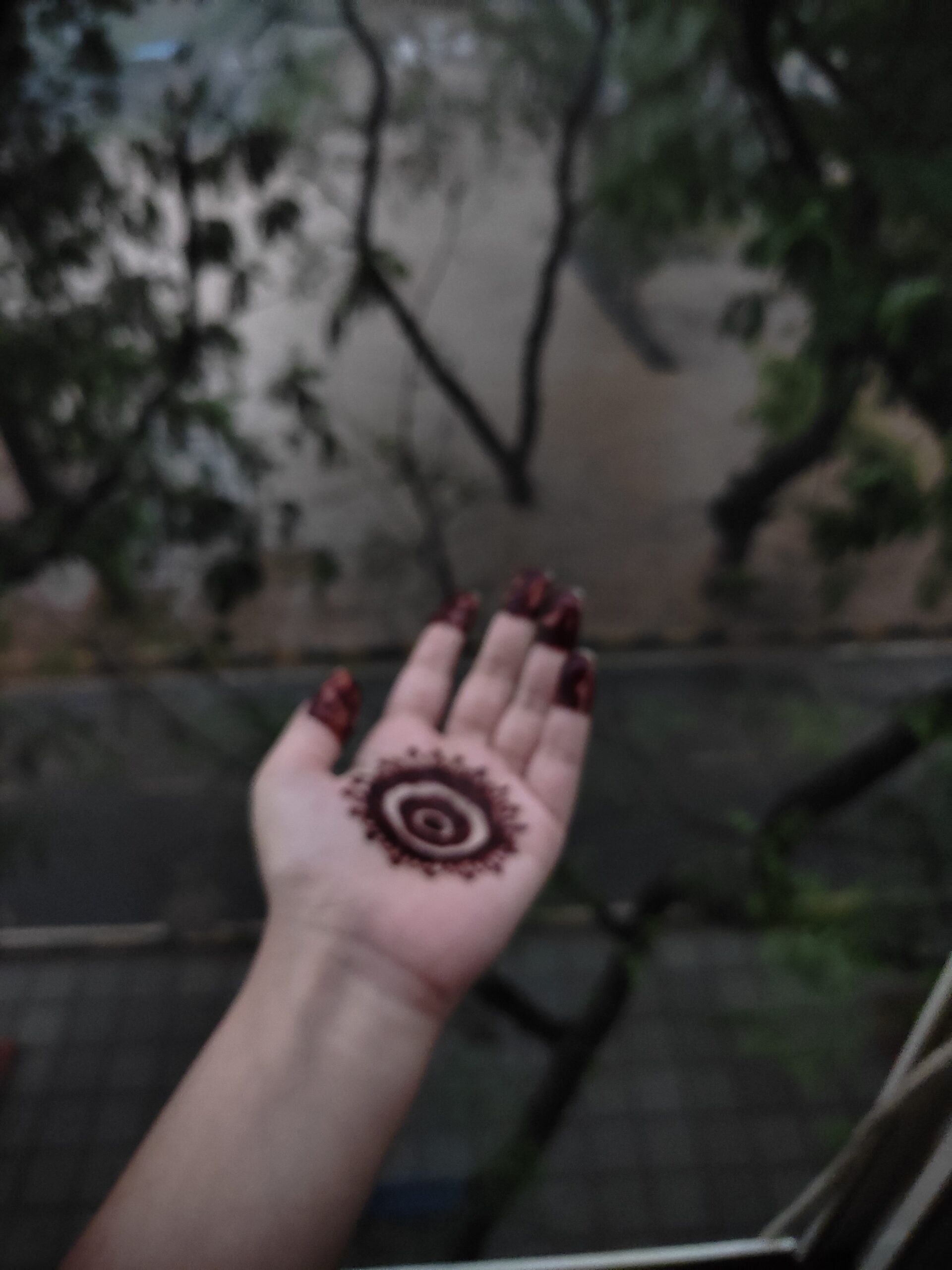
I wanted to catch the rain. The cyclical apocalypse. Catch it, the acid burning my beautiful, albeit imperfect henna, seeping into my skin, melting into the ground, drop by drop, becoming one with the flood, destroying everything.
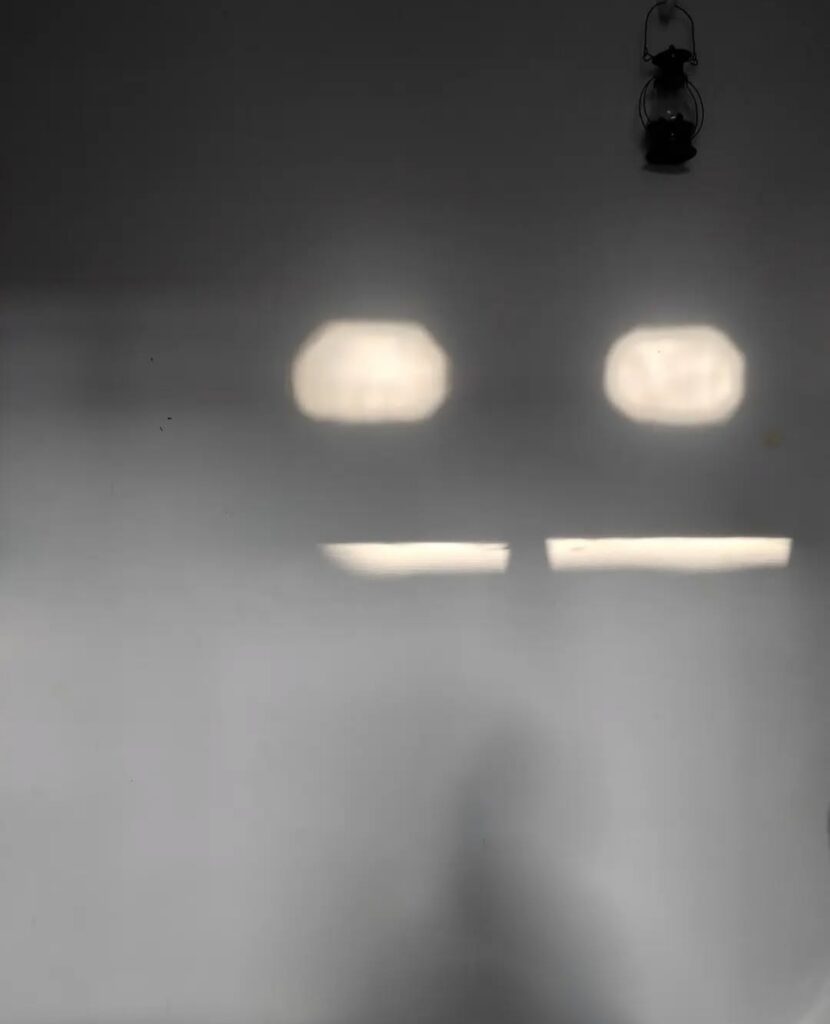
The shadows are working their quiet magic. Two unusually wide sockets for eyes, a smile that breaks at the edges like cracked porcelain. My body is no longer whole; it’s become a shifting blend of shadow and dust, as if I’m slowly dissolving into the air. I wander through this thick silence, holding a lantern in front of me. But the light does nothing. It flickers against the dark, powerless. I carry it anyway. Out of habit, or hope, I can’t tell.
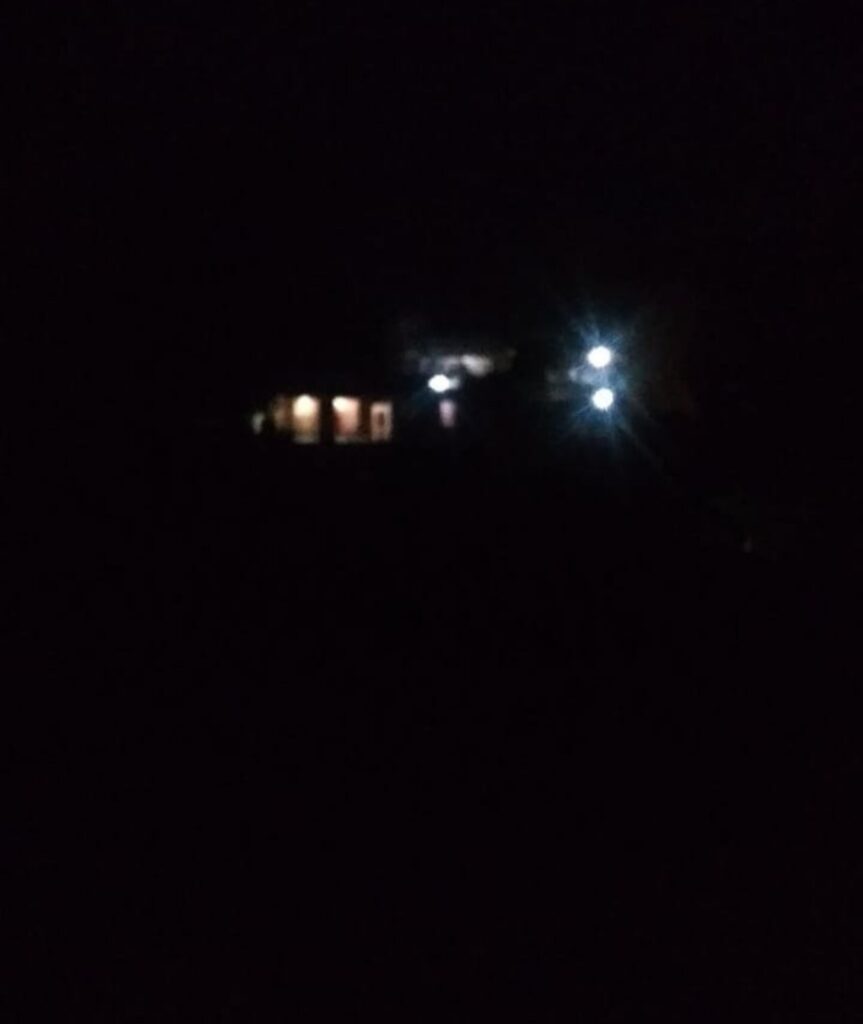
My neighbour’s lighthouse is ablaze. It’s blurry, but there’s light. Blinding light in an otherwise pitch-dark surroundings. Can I borrow some of their light? Will they let me? Or will I obliterate whatever little they have left?
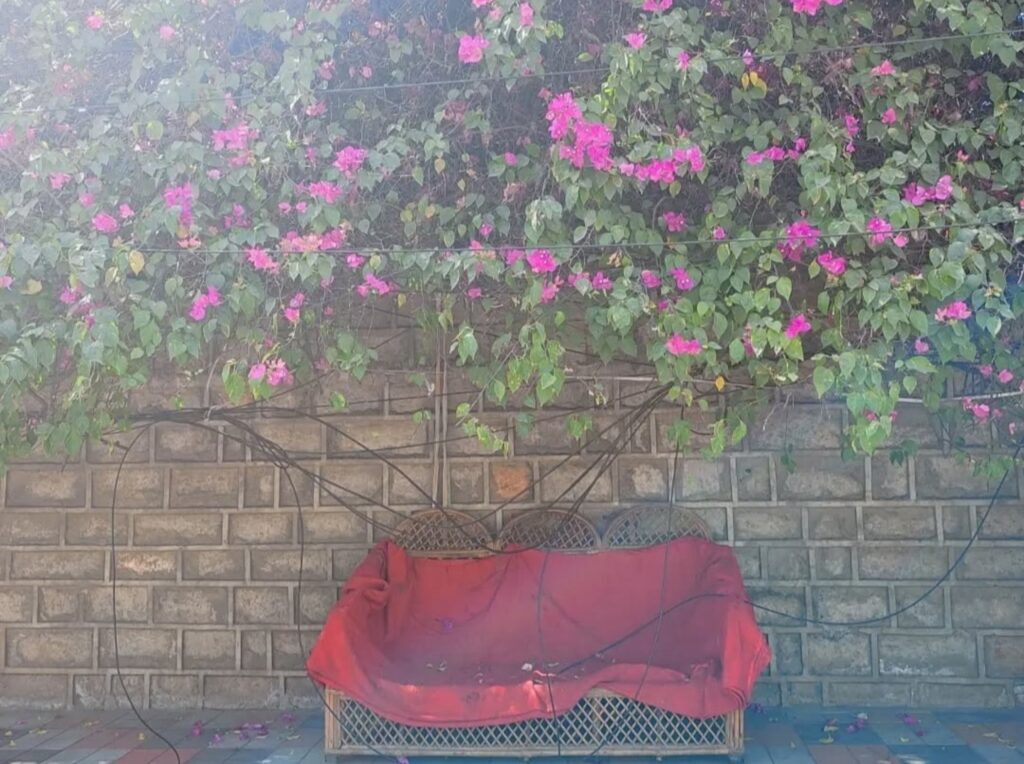
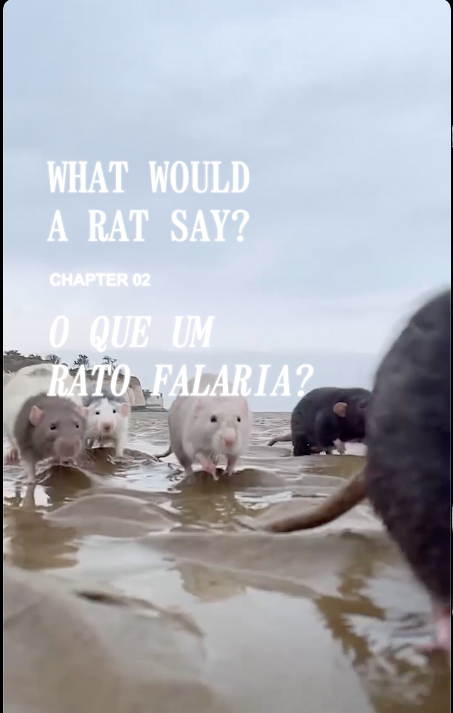
Pushpa and Ramkali have abandoned their battered old sofa, leaving it behind for the rats to sleep on. The tangled wires, forcefully entwined with blooming flowers, rendered the blossoms electric. Drawn by the strange beauty and the promise of a feast, the rats gnaw at the flowers and die. The couch, then, becomes their archive of longing: a fragile imprint of a tomorrow that was never meant to arrive. A carefully choreographed end to borrowed time.
Artist’s Note
This work is an engagement with climate imaginaries and the politics of environmental precarity. The work seeks to interrogate the illusion of safety that governs our present moment, a carefully constructed sense of normalcy that climate change threatens to rupture. This photo essay also attends to the uneven geographies of climate vulnerability, foregrounding the asymmetrical distribution of environmental risk. It invites viewers to face the structural violence embedded in climate futures, futures that are already arriving for some, while remaining speculative for others. For me, this is not merely a conceptual project; it is embodied. The corporeal is present throughout this visual archive; as the climate unravels, so does the body. This work is both a lament and a provocation- a meditation on loss, displacement, and the fragile architectures of hope.
Artist’s Bio:
Sakshi Nain Bishnoi is a researcher, writer, and activist based in Delhi/Geneva. Their work is centred around the body, very corporeal in its form and content, primarily focusing on the liminal interstices of selfhood, queerness, and rurality.
Image Credits: The author