Mosaic
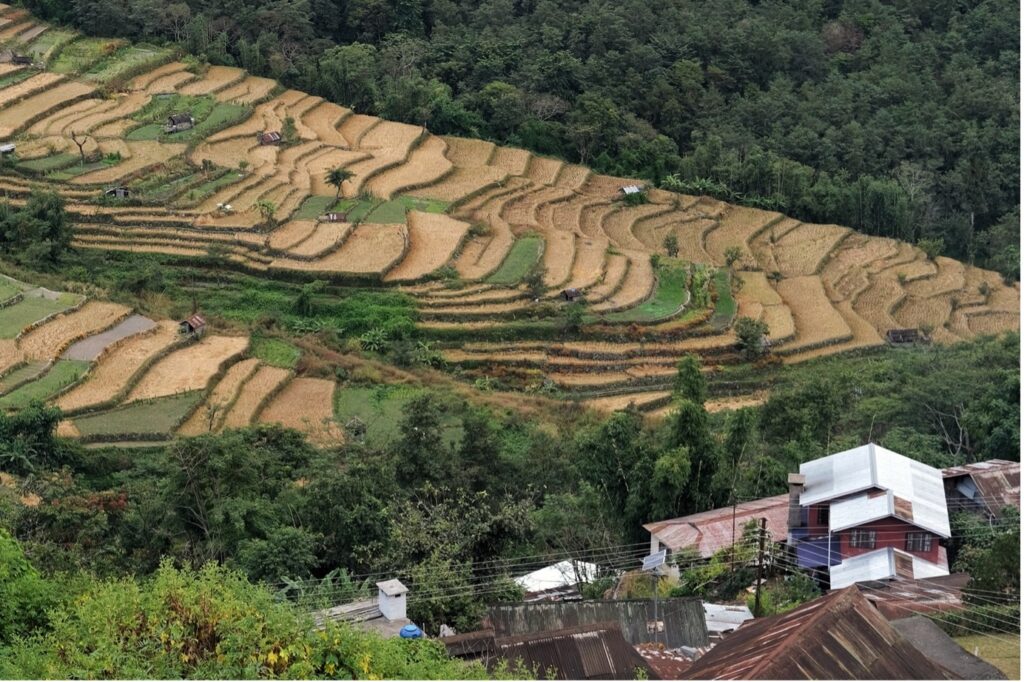
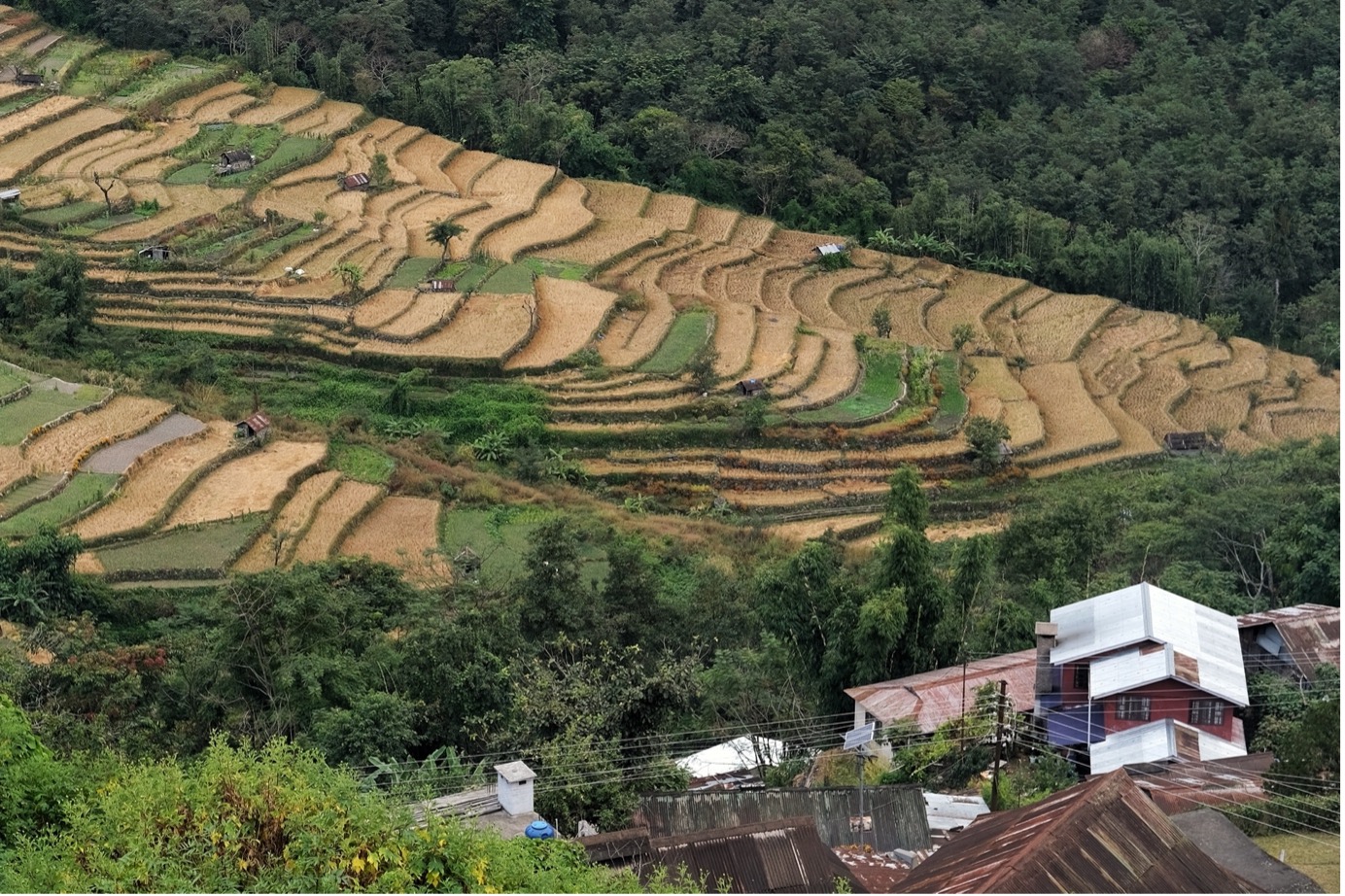
Terrace cultivation is a system of cultivation that is iconic to the Angami and Chakhesang tribes of Nagaland. This image exemplifies how creativity in land use is well integrated into the ways people envision their landscapes
Jhumia
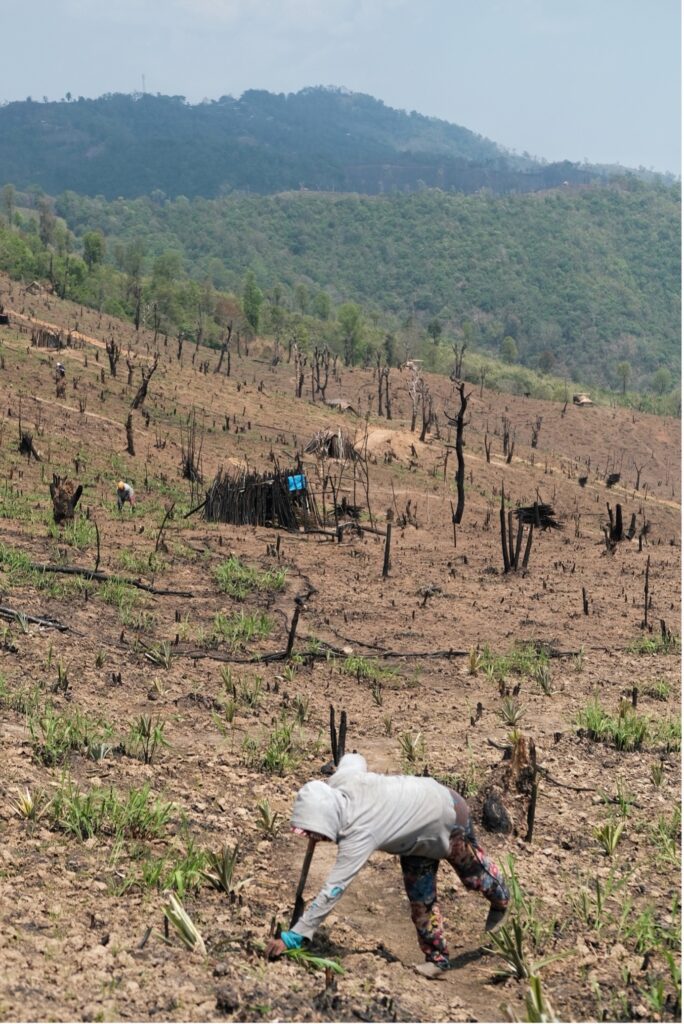
Jhum (slash-and-burn) traditional system of cultivation has been at the forefront of debates around climate change and land degradation. The state and non-state actors continue to demonise this form of land use to promote new systems of agroforestry. Indigenous farmers and local conservationists, on the other hand, critique this stance given its importance to local food security and biodiversity while calling for a more sustainable approach to preserving this ancient system of land use.
Resisting Change
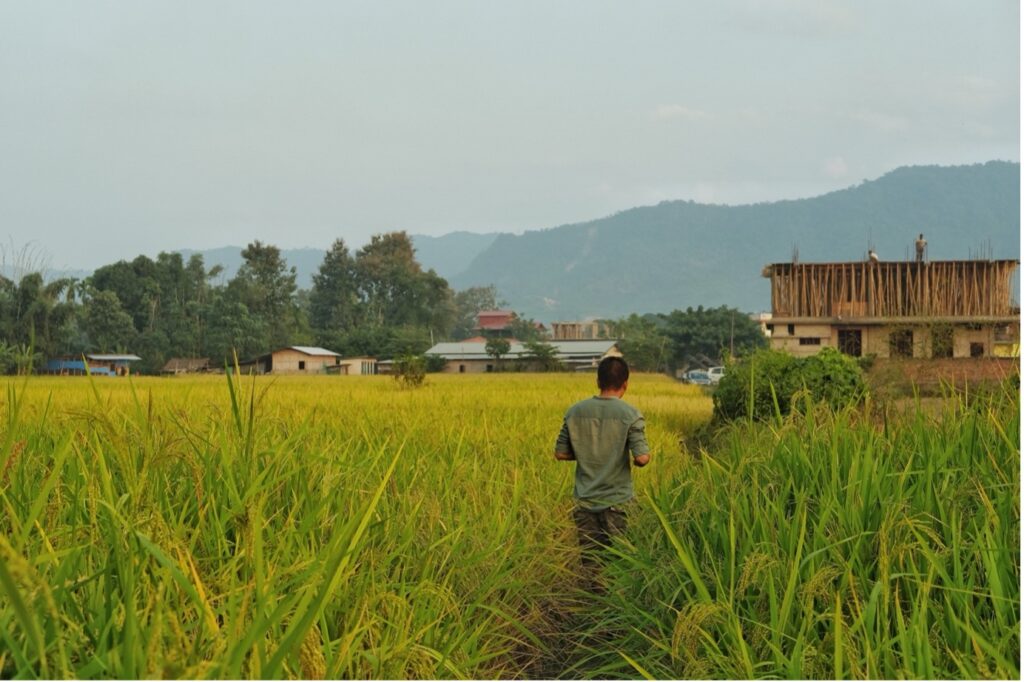
The pressure on land with a growing population has reduced flat-land agriculture in newly developing cities in Nagaland. Kezha, my interlocutor, tells me, “It is hard to continue this system of land use with constructions closing in on my family’s agricultural land”.
Author Bio
John Paulraj is a doctoral candidate in the Department of Anthropology and Sociology at the Geneva Graduate Institute. His research explores changing land relations in the Northeastern state of Nagaland, India. Central to his work is climate change as an idea and a management practice. In particular, he follows the narratives that tribal communities use to account for changes observed in their immediate environment, and the ways people reimagine the value of traditional land use practices within the changing climatic conditions.
Note:
This visual essay was first featured as part of the Geneva Graduate Institute’s Research Festival on 13 May 2025. More details can be found here: https://www.graduateinstitute.ch/node/78571